

Geotech 101: Why Does the Council Need a Geotechnical Report, and What Should It Cost?
By Vision Consulting Engineers (VISION) • 14 Jan, 2025 • 3 min read

In This Article: - Why Mandatory: It’s a legal requirement for safe, compliant builds. - The Purpose: Identifies risks like liquefaction and soft soils before you build. - The Cost: Determined by site complexity, not house size. - The Warning: Why "cheap" reports often lead to expensive construction delays.
You’ve submitted your Building Consent plans to the council, and the feedback comes back: "A geotechnical report is required."
For many, this can feel like a costly, time-consuming hurdle. It’s tempting to see it as bureaucratic "box-ticking." However, that report is critical in order to protect your build from unforeseen ground risks and significant structural issues.
It’s not just a "nice to have"; it’s a legal necessity. Both the Whangarei District Council (WDC) and Far North District Council (FNDC) have a duty under the Building Act to verify your new build will be safe and stable. For a new building in Whangarei, a geotechnical report is a "Required application document." In the Far North, an application without one is deemed "incomplete" and may face delays or refusal.
So, what are they actually asking for, and why?
What is a Geotechnical Report and Why is it Needed?
A geotechnical report is a professional engineering study of the ground beneath your site. Its purpose is to answer one question: "Is this specific piece of land capable of safely supporting the specific structure you want to build on it?"
A qualified geotechnical engineer investigates the soil composition, strength, stability, and groundwater levels. They are specifically looking for hazards that could compromise your build, such as:
"Poor Ground": Is the soil strong enough, or is it soft clay that will compress?
Slope Instability: Is the site on a slope that could be subject to instability when loaded (building, filling, traffic loads), especially during Northland's high-intensity rainstorms?
Expansive Soils: Do the soils contain clays that will shrink and swell with moisture, cracking your foundation over time?
Liquefaction Potential: In an earthquake, will the ground lose its strength and behave like a liquid?
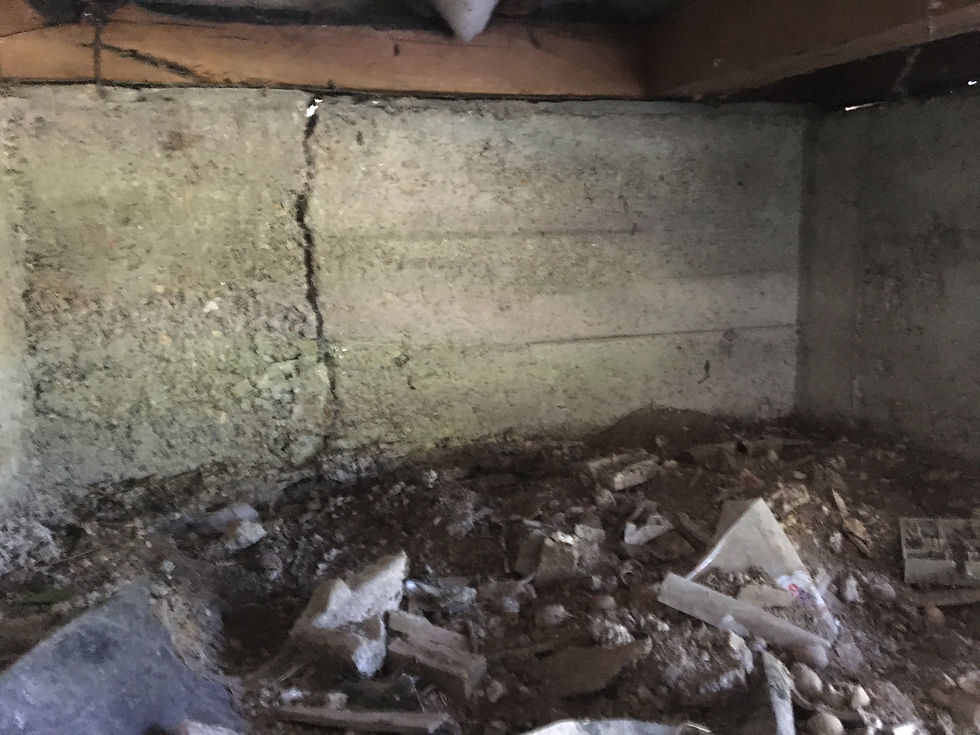
Councils rely on this information to approve your foundation design. This is precisely why the FNDC engaged VISION to create the district-wide liquefaction vulnerability map—to provide a consistent, authoritative standard for assessing this very risk.
How Much Should a Geotechnical Report Cost?
This is always the first question, and the answer is: it depends.
The cost of a geotechnical report reflects the scope of the investigation required for your specific site's complexity. If you see a price quote that seems significantly lower than others, you should be asking what vital investigation is being omitted to achieve that price.
The price of a report is not based on the size of your house, but on the complexity of the ground underneath it. The cost is determined by:
Site Complexity: Is the site flat with known good ground, or is it on a steep slope, in a known hazard zone, or on soft peaty soils?
Project Complexity: Is it a simple, single-storey, lightweight timber-framed build (like NZS 3604) or a complex, multi-storey home with deep foundations?
Scope of Investigation: A simple site might only need two or three hand auger boreholes. A complex site may require multiple deeper, machine-drilled boreholes to find a stable founding layer.

Ready to Build with Confidence?
Don't settle for guesswork. Contact VISION today for a clear fee estimate for your geotechnical report. We’ll provide the robust, geotechnical report you need to support your project approval and built with confidence.
A high-quality report is your project's most valuable risk management tool. Learn more about our full Geotechnical Engineering services.


Comments